
Private vs Group Chess Coaching: Which Is Right for Your Child?
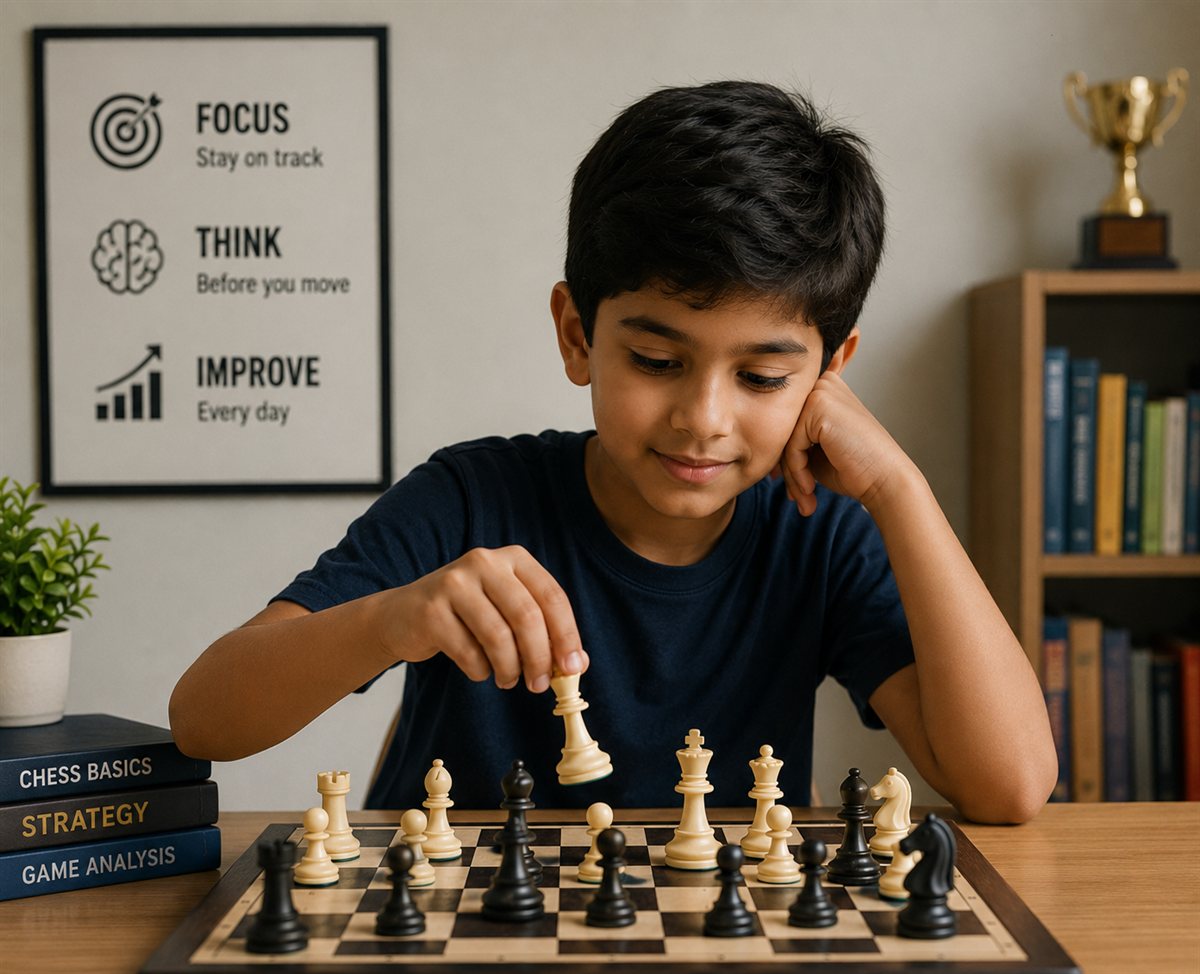
Both formats work. The right one depends on your child's personality, goals and schedule.
Small-group classes
- Best for: children who enjoy learning with peers, beginners, families on a budget
- Pros: friendly competition, shared motivation, lower fee
- Watch out: class size. At 6–7 students, each child still gets attention; at 15 or more, they usually will not.
Private 1-on-1 coaching
- Best for: shy children, fast learners, players preparing for rated tournaments, tight schedules
- Pros: a plan built around your child, flexible timing, fastest feedback
- Watch out: higher fee, and less peer play unless combined with tournaments
A simple way to decide
- New to chess or sociable? Start with a group.
- Serious about tournaments or needs flexible time? Choose private.
- Not sure? Many families start in a group and add private sessions later.
Our options
We offer both: group classes from ₹999/month and private coaching priced separately. Every student can join weekly tournaments. See pricing or book a free demo and tell the coach which format you are considering.
Cost per class: the numbers that surprise parents
Private coaching costs more per class because one coach's time goes to one child, while group classes share that time. But the price difference is not the only measure: the question is what each class delivers for your child's goals. Use cost per class to compare, and check current plans on our pricing page.
Match the format to the goal
| Goal | Often a good fit |
|---|---|
| Learn the basics and enjoy chess | Small group |
| Make friends and play practice games | Small group |
| Fix specific weaknesses fast | Private, or private plus group |
| Prepare for a big tournament | Private, plus tournament practice |
| A child who is shy or learns at a different pace | Private to start, then group |
| Tight budget | Group |
A blended plan
Some of our families combine one weekly group class (for practice games and friends) with an occasional private session (for review and targeted fixes). It is a flexible way to get the benefits of both. Ask about it in your free demo.
Common mistakes
- Choosing private only because it feels premium, when the child would enjoy a group.
- Choosing a large group to save money, when the child needs attention.
- Never reviewing the choice. Revisit it every term.
See also how long it takes to get good at chess and 10 habits that improve chess.
Frequently asked questions
Is 1-on-1 chess coaching better than group classes?
It is faster and more personalised, but group classes offer peer play and lower cost. Both can work well.
Can we switch from group to private later?
Yes. Talk to the team when you want to change.
Do private students join tournaments?
Yes, tournaments are open to students in both formats.
Is group coaching enough to improve?
For most children, yes. Small groups with a good coach and regular practice produce steady improvement. Private lessons help with specific goals.
Which is cheaper, private or group?
Group classes cost less per class. Compare the full price per class and what is included.
Explore The Digital Chessboard Academy
- Courses: Beginner Explorer to Champion Track
- Pricing and plans
- Meet our coaches
- The Parent Portal
- Free FIDE rating calculator
- Chess learning options compared
- Online chess academies compared
- All chess articles
Try a live online class — free
Small groups, FIDE-rated coaches and a no-obligation demo for your child.