
How to Choose a Chess Academy for Your Child: A 10-Question Checklist
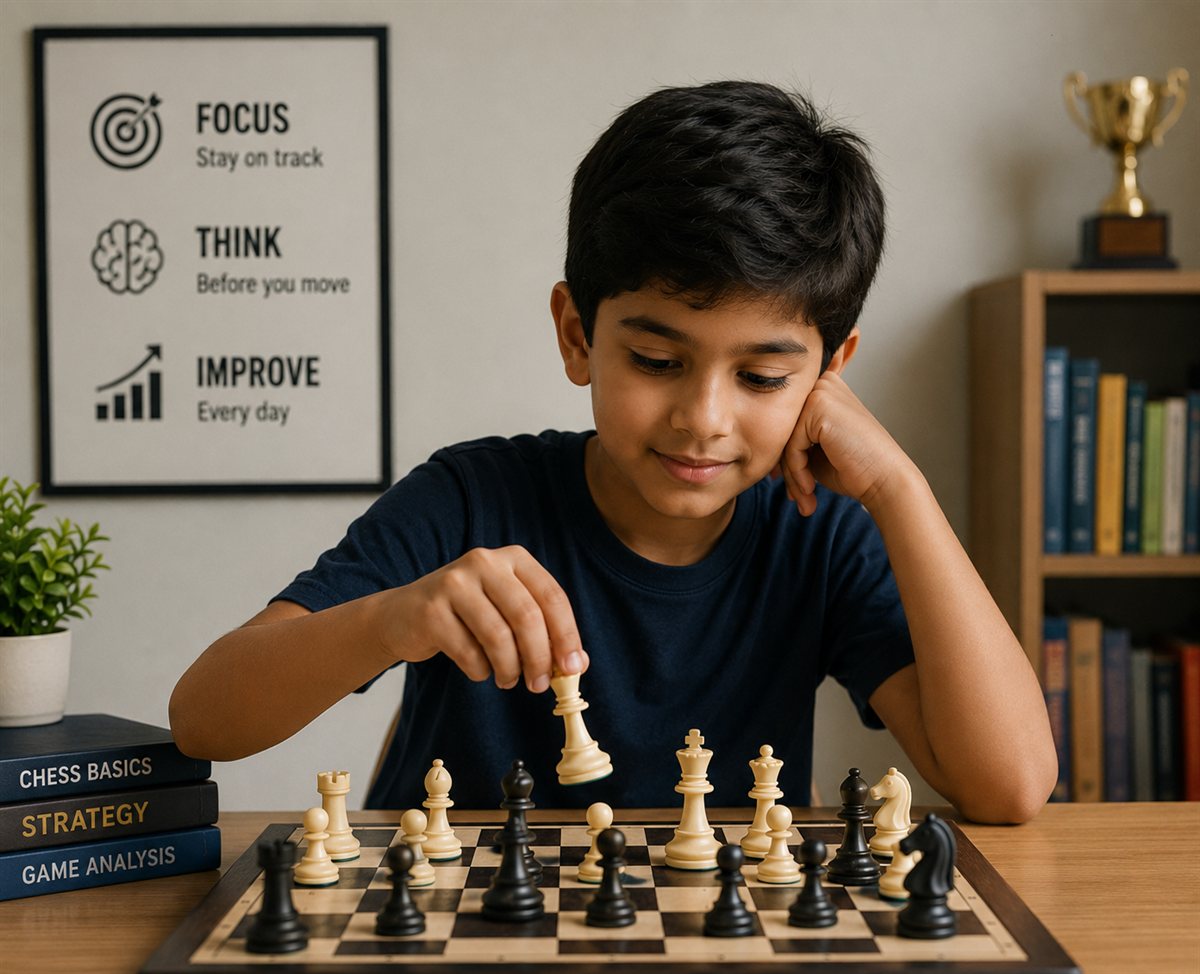
Every academy says it is "the best". These ten questions cut through the marketing. Ask them at any demo class, ours included.
- Who exactly will teach my child? Ask for the coach's name and FIDE ID. Then verify the rating yourself on the FIDE website.
- How many students in a batch? Under 8 means the coach can actually see your child's mistakes.
- Is there a written curriculum? Look for named levels and what is taught in each, not vague promises.
- How do you check progress? Good academies give reports, puzzle scores and parent meetings.
- Are tournaments included? Children learn fastest by playing real games with a result at the end.
- Can we try a demo first? Never pay before your child has met the coach.
- What is the refund policy? It should be written and simple.
- What if we miss a class? Ask about make-up options.
- Is homework realistic? Ten to twenty minutes of puzzles a day beats long, rare sessions.
- Does my child look forward to it? The best coach is the one who makes a child ask, "When is my next class?"
How we answer them
At The Digital Chessboard: coaches are certified, FIDE-rated and verified; batches are 6–7; there is a written level path with certificates; progress is visible in the Parent Portal; weekly tournaments and a free demo are included; and there is a 7-day money-back guarantee.
Red flags
- "Guaranteed rating" or "guaranteed champion" promises
- No way to see the coach before paying
- Batches of 15 or more with one coach
- No mention of tournaments or progress checks
Next: compare academy types in Tamil Nadu or book a free demo and test us against this list.
Turn the checklist into a scorecard
After each demo class, give every academy a score from 1 (poor) to 5 (excellent) on each question, then compare totals. It takes ten minutes and replaces gut feeling with a clear picture.
| Question | What a strong answer sounds like |
|---|---|
| Who will teach my child? | A named coach with a profile, results and a rating you can verify |
| How many children per class? | A specific maximum, ideally under eight |
| What is the curriculum? | A written, levelled plan with topics and homework |
| How will I see progress? | Reports, a portal or meetings with real information |
| What if we miss a class? | A clear reschedule policy |
| What does it cost in total? | One clear number per class or per month, billing period and refund terms |
Marketing language to read carefully
- "Guaranteed results" or ratings: no one can promise these.
- "World-class coaches" without names: ask who they are.
- "Limited seats, pay today": a trustworthy academy lets you try first and decide calmly.
- Unusual discounts: compare the full price, not the headline.
A one-week plan to decide
- Day 1: shortlist two or three academies.
- Days 2 to 4: attend a free demo at each.
- Day 5: score each using the table above and ask your child which they liked.
- Day 6: check cost per class and refund terms.
- Day 7: decide.
See also what to expect in a first demo class, who teaches your child's class and online chess academies compared.
Frequently asked questions
How do I know if a chess coach is good?
Check their FIDE rating, ask for a demo class and watch whether your child stays engaged and can explain what they learnt afterwards.
What batch size is ideal for kids?
Small groups of about 6 to 7 let a coach give each child attention.
Should I avoid academies that promise results?
Be careful with guarantees. Progress depends on practice, so look for transparent tracking rather than promises.
How many academies should I try before choosing?
Two or three is plenty. Attend a free demo at each and compare them with the same scorecard.
What is the most important factor when choosing a chess academy?
The coach who teaches your child's class, followed by class size, curriculum, progress reporting and fit with your schedule.
Explore The Digital Chessboard Academy
- Courses: Beginner Explorer to Champion Track
- Pricing and plans
- Meet our coaches
- The Parent Portal
- Free FIDE rating calculator
- Chess learning options compared
- Online chess academies compared
- All chess articles
Try a live online class — free
Small groups, FIDE-rated coaches and a no-obligation demo for your child.